

What Is a Sales Funnel and How to Build a Funnel That Converts
Every successful online business has one thing in common: a well-structured Sales Funnel. Whether you're generating leads, selling products, or booking consultations, a Sales Funnel is the strategic process that guides potential customers from initial awareness to taking action.
If you’re trying to figure out how to convert your website traffic into real sales and loyal customers, understanding how a Sales Funnel works — and How to build one that converts — is critical.
In this in-depth guide, Make It Seen explains what a sales funnel is, break down each stage, and show you how to build a high-converting funnel tailored to your business.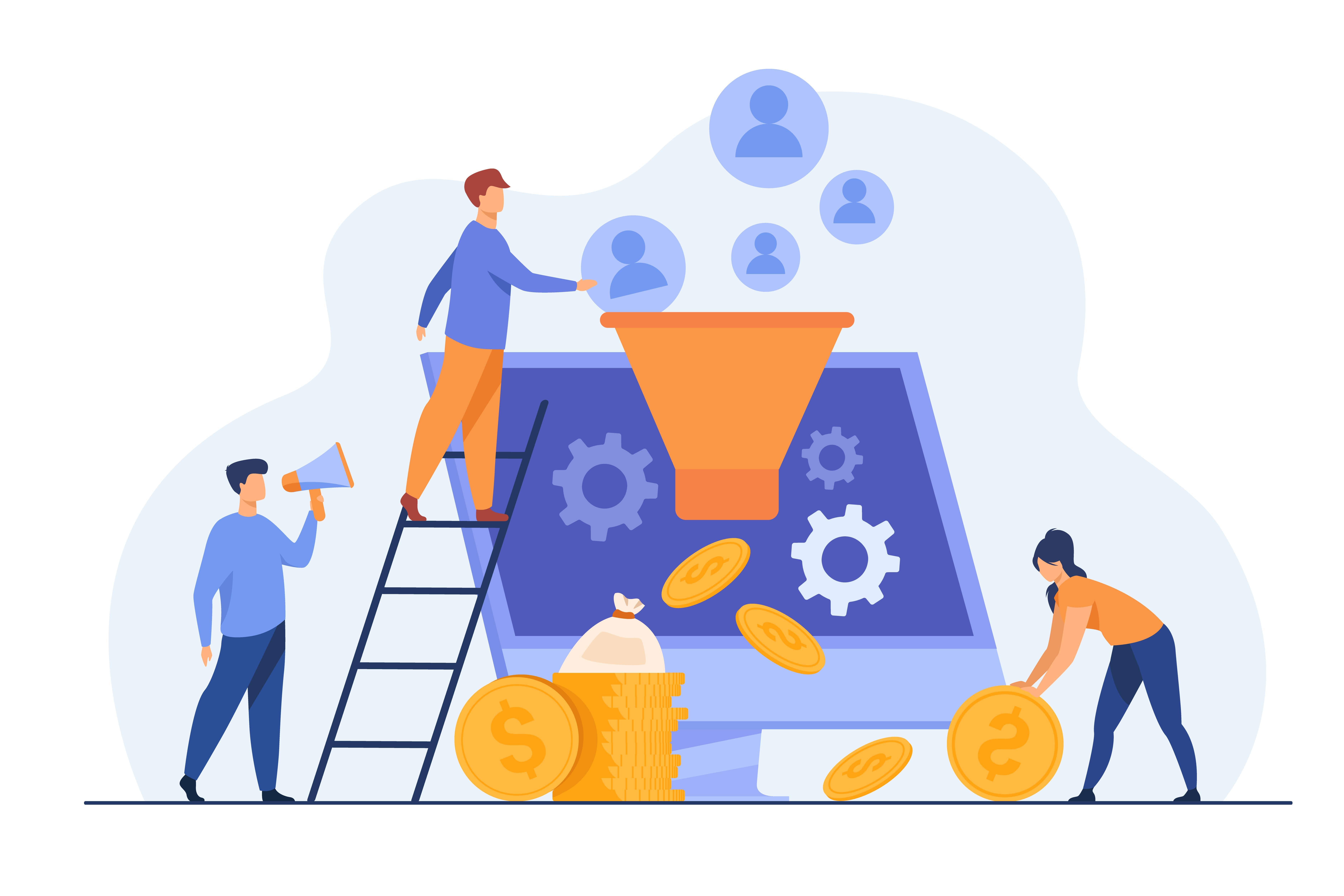
What Is a Sales Funnel?
A Sales Funnel is a step-by-step journey that a potential customer goes through on the way to making a purchase or completing a desired action. It’s called a “funnel” because it starts wide — capturing a broad audience — and narrows down as more qualified and engaged leads move closer to buying.
From the moment someone lands on your website or interacts with your brand online, they’re either moving forward in the funnel or dropping out. A well-optimized funnel keeps them engaged and guides them toward conversion.
Why Your Business Needs a Sales Funnel
Without a sales funnel, your website might get traffic — but very little of it will convert. A funnel ensures that you're not just attracting people, but you're intentionally nurturing them toward taking action.
Key benefits include:
-
More consistent and predictable sales
-
Better targeting and segmentation of your audience
-
Increased customer lifetime value
-
Clear performance metrics at each stage
-
Reduced cost per acquisition
Whether you run an eCommerce business, offer services, or generate leads online, a sales funnel gives structure to your marketing efforts and turns random traffic into reliable revenue.
The 4 Key Stages of a Sales Funnel
1. Awareness (Top of Funnel)
This is where people discover your brand for the first time. They may have found you through:
- A Google search (thanks to SEO)
- Social media posts or ads
- Online directories
- Blog content or videos
Goal: Capture attention and provide value.
Tools: Blog posts, social media, SEO content, PPC, explainer videos, infographics.
2. Interest (Middle of Funnel)
Now that you’ve got their attention, it’s time to build trust and engagement. They’re not ready to buy yet, but they’re curious.
Goal: Educate, build credibility, and show that you understand their problem.
Tools: Email newsletters, downloadable guides, case studies, webinars, lead magnets.
3. Decision (Lower Middle Funnel)
Your leads are considering options and comparing solutions. This is your chance to position your offering as the best choice.
Goal: Help the lead choose your product or service.
Tools: Product/service pages, free consultations, pricing guides, testimonials, comparison pages.
4. Action (Bottom of Funnel)
This is where the magic happens. Your prospect becomes a paying customer.
Goal: Make the buying process as smooth and reassuring as possible.
Tools: Optimised landing pages, secure checkout, live chat, clear CTAs, money-back guarantees.
How to Build a Sales Funnel That Converts
Building a sales funnel isn’t about throwing together a few pages. It’s about designing an intentional journey for your audience that matches their needs and expectations at every stage.
Here’s a step-by-step breakdown:
Step 1: Define Your Target Audience
Before anything else, you need to know who you're targeting. Identify:
- Their pain points
- Their goals
- What platforms they use
- What type of content they engage with
The more you understand your audience, the more effective your funnel will be.
Step 2: Drive Traffic to the Top of the Funnel
Use targeted marketing strategies to generate awareness. Effective methods include:
- SEO-optimized blog content
- Social media marketing
- Paid ads (Google Ads, Facebook Ads)
- Guest posting on relevant sites
The key is to attract qualified traffic — people who are likely to need what you offer.
Step 3: Capture Leads
Once someone lands on your site, don’t let them leave without a trace. Offer a valuable lead magnet in exchange for their email address, such as:
- A free guide or checklist
- An exclusive discount
- A webinar or video series
Use high-converting landing pages with strong copy and a clear call-to-action to encourage sign-ups.
Step 4: Nurture With Email Sequences
After capturing leads, nurture them through automated email sequences.Focus on:
- Educating about your offering
- Overcoming objections
- Sharing testimonials or success stories
- Encouraging micro-conversions (e.g., replying to an email, booking a call)
Email remains one of the most cost-effective channels to build trust and drive conversions.
Step 5: Guide the Decision-Making Process
When your leads are considering their options, give them the information they need to move forward:
-
Clear product or service pages
-
Comparisons between packages or plans
-
FAQs to address objections
-
Strong social proof
Step 6: Make the Conversion Easy
Remove all friction at the point of purchase. Your funnel should lead to:
-
A clean, fast-loading checkout page (eCommerce)
-
A persuasive contact or booking form (service-based businesses)
-
A single, strong CTA: “Buy Now”, “Book a Call”, “Get a Quote”
Reassure them with guarantees, reviews, and clear expectations.
Step 7: Follow Up Post-Purchase
Don’t let the funnel end at the sale. A powerful follow-up sequence can:
-
Upsell or cross-sell related services
-
Gather testimonials and reviews
-
Encourage referrals
-
Increase customer lifetime value
A complete funnel includes post-sale nurturing to turn first-time buyers into loyal customers.
Common Mistakes to Avoid When Building Your Funnel
-
Failing to understand your audience’s journey
-
Skipping the lead capture phase
-
Not optimising for mobile
-
Using weak calls to action
-
Ignoring the follow-up process
A poorly designed funnel leaks opportunities. Every stage should be crafted with purpose and clarity.
Conclusion: A Sales Funnel Is the Backbone of Online Success
If your website isn’t turning visitors into leads or customers, chances are your sales funnel is broken — or non-existent.
A strategically built funnel creates a smooth path from stranger to customer. It leverages content, design, psychology, and technology to drive real business results.
Need Help Creating a Funnel That Converts?
At Make It Seen, we help businesses like yours build powerful, conversion-driven websites with Sales Funnels that actually work.
Whether you’re just starting or looking to refine your online presence, our expert team in Wolverhampton can design a custom solution tailored to your goals.